
Low Sexual Desire

Testosterone Therapy for Women in Frisco
Support for Desire, Connection, and Well-Being
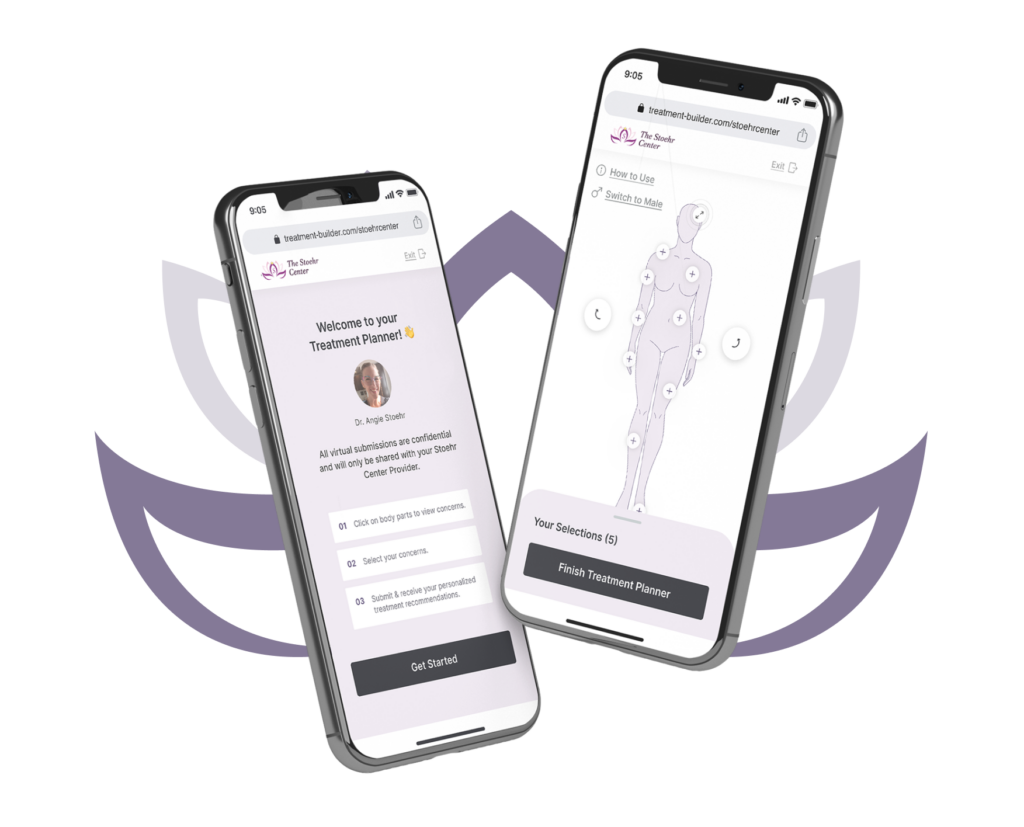
Build My Treatment Plan
Treatment Details
Consultation Required?
Yes
Downtime
None with topical therapy
Number of Sessions Needed
Ongoing with follow-up monitoring
Duration of Results
Ongoing with continued appropriate treatment
Hormone Support With Your Whole Health in Mind
When Desire Feels Different
Testosterone can play an important role in sexual health. For appropriately screened women, testosterone therapy for women in Frisco may be considered when persistent low sexual desire causes distress and other contributing factors have been addressed. We look at your symptoms, health history, relationships, medications, and goals before recommending care.
Sexual Distress
Arousal & Pleasure
Sexual Responsiveness
Guidance Grounded in the Whole Picture
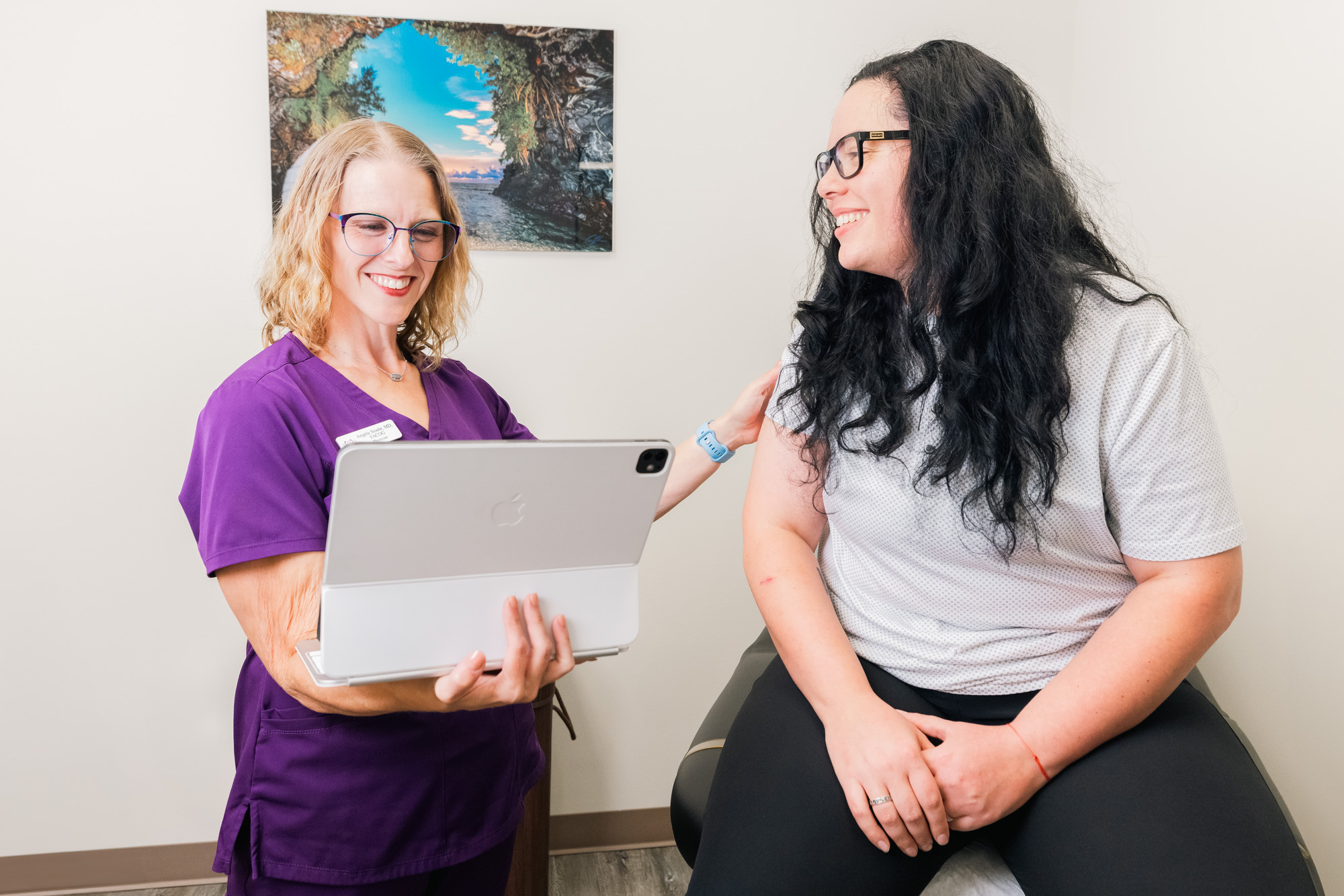
Dr. Angie Stoehr approaches sexual health with curiosity, context, and zero judgment. She takes time to understand what has changed, what matters to you, and whether testosterone belongs in your care plan.


Sexual Health Deserves a Real Conversation
Changes in desire can feel deeply personal. Bring the questions you have been avoiding—we will meet them with thoughtful, straightforward care.
Concierge Care, Built Around You
At The Stoehr Center, every treatment is supported by a concierge care model that prioritizes access, time, and personalization—so your provider can focus fully on your health, not insurance limitations.
What this means for your experience:
- Longer, unrushed visits with meaningful conversation
- Direct access and continuity with your provider
- Priority scheduling and flexible communication
- Transparent pricing with no insurance barriers
- Preventive, root-cause approach to lasting wellness
Your care doesn’t stop at the appointment—concierge medicine ensures ongoing support, guidance, and partnership throughout your health journey.




Support That Starts With Listening
We create personalized plans with thoughtful follow-up at every step.

Consultation
We begin with a full conversation about your:
- Sexual health
- Symptoms
- Medications
- Relationships
- Medical history
- Goals
When appropriate, Dr. Stoehr may also order lab work to establish a hormonal baseline.

Treatment
With testosterone therapy for women in Frisco, treatment may involve a carefully dosed topical formulation.Follow-up helps us assess benefits, side effects, and hormone levels so treatment stays within an appropriate physiologic range.
Let’s Talk About What Has Changed
If low desire is affecting your confidence, relationships, or quality of life, you deserve a conversation that takes your concerns seriously.

Ongoing Support, Thoughtfully Bundled
Get updates on new treatments, health tips, and select recipes designed to help you reduce pelvic pain and increase your pleasure.



Testosterone Is Part of Women’s Health, Too
Testosterone is present in women throughout life and contributes to sexual physiology. Still, a “low” lab value does not automatically explain low desire. There is no testosterone cutoff that diagnoses hypoactive sexual desire disorder, so treatment decisions should come from a broader clinical assessment rather than a number alone.
The Best-Supported Use Is Specific
The strongest evidence supports testosterone for postmenopausal women with hypoactive sexual desire disorder after a thorough biopsychosocial assessment. Limited evidence also supports carefully selected women in the late reproductive years, but this use requires individualized clinical judgment.
Monitoring Matters
Monitoring is part of responsible treatment. Clinical guidance recommends checking a baseline testosterone level, repeating it after treatment begins, and continuing periodic monitoring for response and signs of excess androgen exposure. Long-term safety data remain limited.
FAQs About Testosterone Therapy for Women