If you’re constantly battling bladder pain or that never-ending urge to pee, even after rounds of antibiotics, you’re probably wondering what’s really going on. You deserve answers and lasting relief, not just another prescription that doesn’t help for long.
At The Stoehr Center, we get it—bladder pain can take over your life, and it’s frustrating when no one seems to offer a bladder infection treatment near Plano that works for you. That’s why we take a different approach.
Our team specializes in pelvic health and chronic pain issues, offering more than just quick fixes. We dig deeper to uncover what’s behind your symptoms, whether it’s a UTI, bladder pain syndrome (BPS), or something else entirely.
If you’re tired of discomfort and uncertainty, you’re in the right place. Learn what might be happening in your body by reading further, or skip straight to direct care by booking your appointment with us.
Get to Know Your Bladder
Your bladder is a small but crucial organ that plays a vital role in your daily comfort. Shaped like a hollow balloon, it sits low in your pelvis behind the pubic bone and stores urine until you’re ready to release it. When the bladder fills, nerves communicate with your brain, creating that unmistakable “gotta go” signal.
But your bladder doesn’t work alone. It’s part of a finely tuned system involving your kidneys, urethra, and pelvic floor muscles. Those muscles act like a supportive sling, helping control when you release urine. Irritation or weakness in any part of this network can cause pain, urgency, and even leaks.
Understanding how your bladder connects with the rest of your pelvis helps us provide you with effective bladder infection treatment near Plano. At The Stoehr Center, we look at the whole picture and use advanced medical devices to help your pelvis function correctly and comfortably.
Understanding Urinary Tract Infections
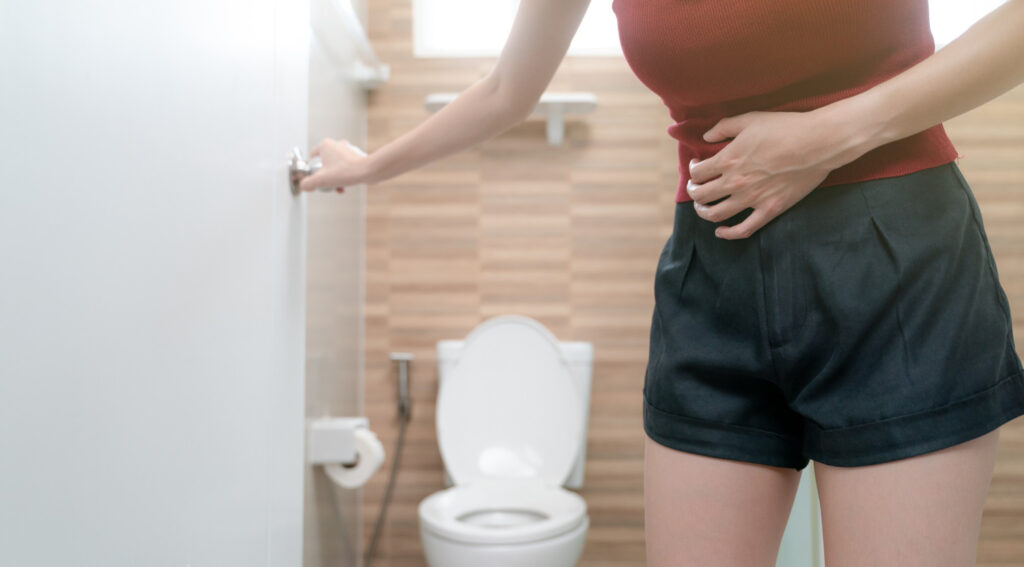
Urinary tract infections (UTIs) are surprisingly common and shockingly uncomfortable. They happen when bacteria, usually E. coli, make their way up the urethra into your bladder. Classic symptoms include:
- Burning during urination
- Urgency
- Frequent urination
- Discomfort in the lower abdomen
While a single UTI can be a major nuisance, recurring infections can become exhausting and even disrupt daily life.
If you find yourself dealing with UTI-like symptoms frequently, it’s worth asking your provider whether you’re actually experiencing a true infection or something else, such as bladder pain syndrome.
Instances like these are what make our comprehensive evaluation key. Our team takes a detailed history—how often do your symptoms appear? How many rounds of antibiotics have you taken? What’s your sexual and reproductive health history?
In addition, we can conduct a urine dip test in the office to check if you need urinary tract infection treatment. If the result is positive, we will send a culture to a specialized lab to verify the infection. If it’s negative, we consider other underlying causes.

Treating Urinary Tract Infections
UTI treatment depends on the severity of your symptoms. Many UTIs resolve on their own, especially if symptoms are mild. Often, staying hydrated is enough to bring quick relief. Taking over-the-counter numbing medications like phenazopyridine or using supplements such as Uquora can also help reduce discomfort and support urinary health.
For more severe or persistent infections, it’s best to come in so we can provide the right bladder infection treatment near Plano. Not sure if it’s time? Ask yourself two questions:
- Are you miserable? If yes, treatment is warranted.
- Has this been going on for more than a couple of days? If yes, then it’s definitely time to schedule a visit.
Addressing Chronic Urinary Tract Infections
Preventing recurrent UTIs involves looking beyond antibiotics. Stabilizing your gut with probiotics can reduce the risk of infection. For peri- and postmenopausal patients, vulvar or vaginal treatments like estrogen therapy or Julva cream (topical DHEA) can improve hormonal balance and urinary tract health.
Keeping your urine slightly acidic with cranberry juice or citrus fruits can help as well. However, if it turns out you’re actually suffering from BPS and not a UTI, acidity may actually exacerbate your symptoms. Therefore, seeking medical attention is advisable to set yourself on the right treatment path.
At The Stoehr Center, we personalize your care, treating current infections, uncovering underlying causes, and creating a plan to prevent future UTIs. By understanding your body and tailoring treatment to your unique situation, we help you regain proper functioning and peace of mind.
When UTI Symptoms Aren’t What They Seem
Many patients assume they have a UTI when they experience urinary discomfort or frequency. However, less than half of the cases we see are true bacterial infections. That’s why it’s crucial to get an accurate diagnosis before starting bladder infection treatment near Plano.
Unnecessary antibiotic use can lead to side effects, antibiotic resistance, and missed opportunities to treat the real underlying issue.
Common Misdiagnoses and Overlapping Conditions
Several lesser-known conditions can mimic common UTI symptoms, such as:
- Pelvic Floor Dysfunction: Tight or overactive pelvic muscles can create sensations of urgency, frequency, or bladder pressure that resemble a UTI.
- Hormonal Imbalance: Low estrogen in women, particularly during perimenopause or menopause, can lead to urinary symptoms.
- Sexually Transmitted Infections: Though less common, infections like gonorrhea, chlamydia, or Mycoplasma genitalium can produce bladder-related discomfort.
- Ureaplasma: We typically only treat you for ureaplasma if you have persistent symptoms and no other cause is found.
- Bladder Pain Syndrome: Another culprit we see often is bladder pain syndrome (aka interstitial cystitis). It’s a chronic condition characterized by many of the same symptoms as UTIs.

Say Hello to Bladder Pain Syndrome
Bladder pain syndrome (BPS) is often mistaken for chronic urinary tract infections. Many medical providers don’t routinely evaluate for BPS, which can leave you frustrated after undergoing bladder infection treatment near Plano and not seeing any improvement or results.
BPS is a chronic, autoimmune disorder in which the protective lining of your bladder, called the GAG (glycosaminoglycan) layer, is damaged by your immune system. Normally, this lining has the consistency of mucus and acts as a barrier to protect your bladder from the naturally occurring acid in urine.
When the GAG layer breaks down, urine seeps through tiny cracks and irritates the underlying bladder muscle. That irritation causes inflammation, pain, and involuntary bladder contractions. Because these symptoms closely mimic a UTI, many people are misdiagnosed. The good news is that BPS is highly treatable once accurately diagnosed.
Treatments focus on repairing the bladder lining, reducing inflammation, and calming overactive bladder muscles. With the right care, you can significantly reduce pain, regain bladder control, and improve your quality of life.
How We Treat Bladder Pain Syndrome
At The Stoehr Center, we take a structured, multi-step approach to treating BPS, aiming to repair and protect your bladder lining.
Our standard treatment plan involves a low-acid diet to reduce irritation while your bladder heals. In addition, we conduct weekly bladder instillations for 6 weeks. Using a catheter to deliver healing agents directly to your bladder, we help repair the damaged GAG layer by reducing inflammation and relieving pain.
During this stage, it’s critical to “keep your bladder happy” by sticking to your diet and installation sessions. Around 4 to 6 weeks into treatment, patients can begin reintroducing other foods slowly while monitoring their own tolerance.
Advanced Pelvic Health Therapies
For patients who need advanced interventions, we offer medications such as hydroxyzine, which reduces inflammation in the bladder, and amitriptyline, an older antidepressant repurposed to affect pain perception in the brain.
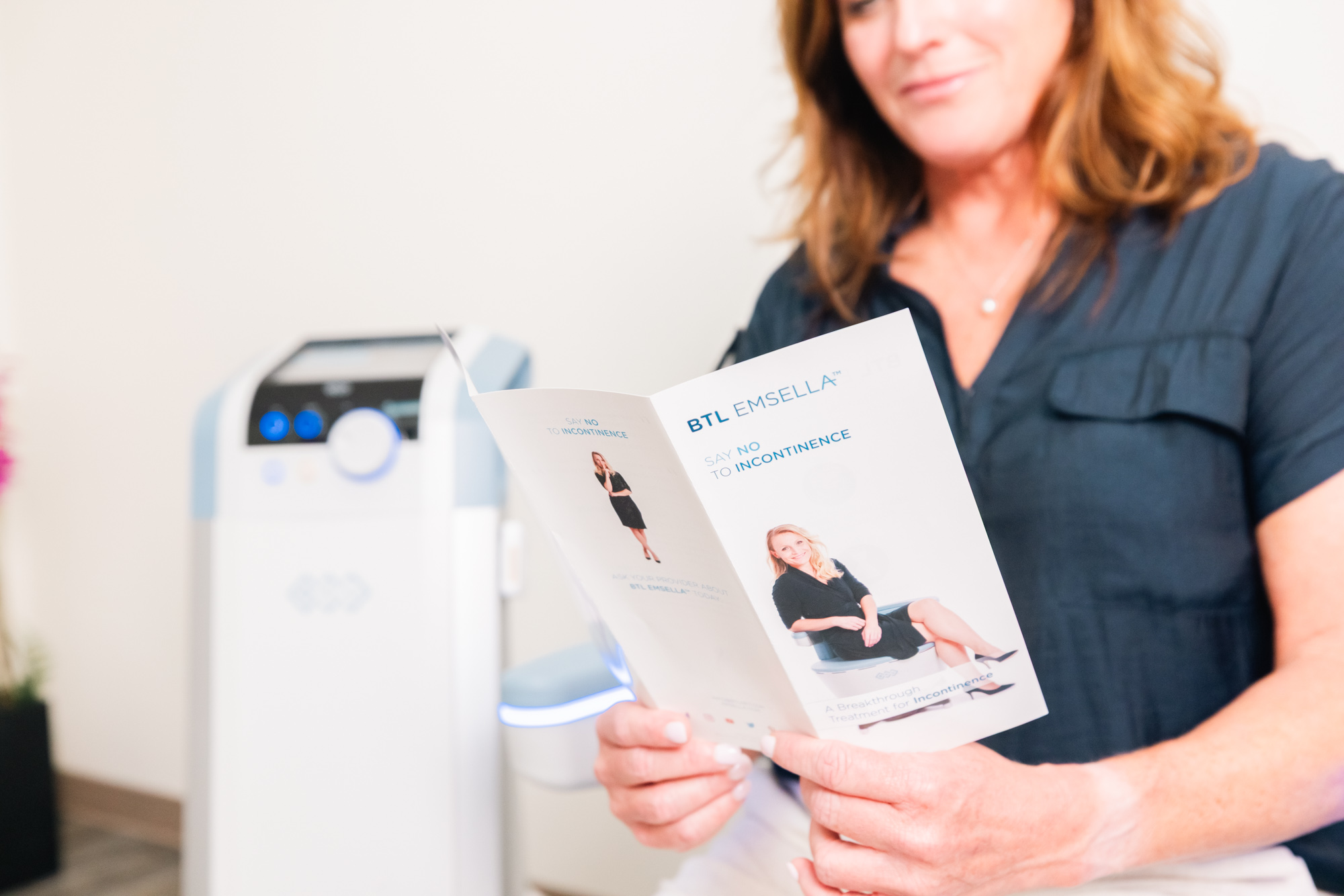
Because BPS often coexists with pelvic floor dysfunction, we incorporate therapies like Sola and Emsella to relax overactive muscles. We also recognize the mental health impact of chronic bladder pain; many patients experience anxiety or depression along with chronic pain, so we occasionally add in Exomind treatments to support both your physical and emotional well-being.
By combining dietary changes, targeted bladder therapies, and pelvic floor support, we provide a comprehensive, personalized treatment plan that addresses both your symptoms and the underlying causes. This approach helps patients regain control of their bladder health and overall quality of life.
Why Choose The Stoehr Center for Pelvic Health Treatments
At The Stoehr Center, we combine expertise in pelvic conditions, chronic pain, and bladder infection treatment near Plano. Our patient-centered approach focuses on long-term solutions rather than temporary fixes. We offer access to specialized tools, protocols, and treatments not available in standard clinics, allowing us to accurately diagnose and address underlying causes.
By avoiding unnecessary antibiotics and targeting the root of the problem, we help patients achieve better outcomes, faster relief, and lasting pelvic health. Rather than simply covering up issues, our team helps you regain your basic health, so you can enjoy a better quality of life.
Regain Bladder Control & Comfort at The Stoehr Center
If your bladder or pelvic pain persists beyond a few days, it’s time to seek support from a urinary tract infection doctor. The Stoehr Center offers comprehensive, advanced treatment tailored to your needs—far beyond what typical providers offer.
Don’t wait for your symptoms to worsen; schedule a consultation to get started with your bladder infection treatment near Plano.