If the eating and exercise habits that used to help you maintain your weight don’t seem to work the same way anymore, you’re not imagining it. Midlife can change how your body stores fat, maintains muscle, responds to sleep loss, and uses energy.
Sometimes the bigger change isn’t the number on the scale. It’s where weight settles, especially around the abdomen.
At The Stoehr Center, we don’t reduce menopause weight gain in Frisco to “eat less and move more.” We look at the combined factors causing the problem and help you build a plan that fits your body now.
Why Weight Can Change During Menopause
Menopause is part of the picture, but it isn’t the only reason weight can change in midlife. Aging is a major driver. We naturally lose muscle over time, and less muscle means the body uses fewer calories at rest.
Sleep can matter, too. Night sweats, insomnia, stress, and fatigue can make exercise harder and affect hunger, food choices, and recovery. Menopause can also change how fat is distributed in the body. All of this means your menopause weight gain deserves a broader conversation than simply focusing on calories.
Focus on Body Composition, Not Just the Scale
A scale can tell you how much you weigh, but it can’t tell you if it’s muscle or menopause weight gain in Frisco. During midlife, preserving muscle becomes especially important for strength, mobility, bone health, and metabolism.
We recommend you start with habits that support muscle and metabolic health:
- Include resistance or strength training regularly.
- Build meals around protein, fiber-rich foods, and foods you enjoy.
- Keep cardiovascular movement in your week, whether that’s walking, cycling, swimming, or another activity you’ll stick with.
- Protect your sleep, especially when menopause symptoms are disrupting it.
- Choose changes you can repeat instead of an aggressive plan you can only tolerate temporarily.
We’ll help you build a strategy that’s realistic enough to become part of your life.
Where Hormone Therapy Fits
Hormone therapy can be valuable for symptoms such as hot flashes and night sweats, but we don’t use it as a weight-loss medication. Estrogen therapy may influence where fat is stored, and treating symptoms that interfere with sleep or activity can make healthy routines easier to maintain, but hormone therapy by itself isn’t expected to produce weight loss.
We’ll make hormones part of your treatment plan when they make sense for your symptoms and health history.
When Lifestyle Changes Aren’t Enough
Sometimes you’re already exercising, eating thoughtfully, and trying to sleep well, but progress still feels frustratingly slow. That’s a good time to look deeper.
We may review concerns affecting your progress, including your:
- Health history
- Medications
- Metabolic risk factors
- Nutrition
- Physical activity
- Sleep
- And more
For some patients, nutritional coaching may also be appropriate. The Stoehr Center offers individualized weight-loss support, including this and health coaching along with prescription weight-loss options when they fit your health and goals. Vitamin injections can support your energy levels and nutrition needs as you lose weight.
Our approach to menopause weight gain in Frisco is about finding the right tools for you, not handing everyone the same plan.

Frequently Asked Questions About Menopause Weight Gain
Menopause can bring up a lot of questions, especially when your body seems to be responding differently than it used to. Here are a few of the ones we hear most often about weight changes in midlife.
Why does menopause cause belly fat?
Declining estrogen can change how fat is distributed, making it more likely to collect around the abdomen. Aging also brings gradual muscle loss and changing energy needs, so several factors can overlap. That’s why your waist may change even if your weight hasn’t changed dramatically. We look at the whole pattern rather than assuming one hormone is responsible for everything.
Can GLP-1 medications help with weight gain during menopause?
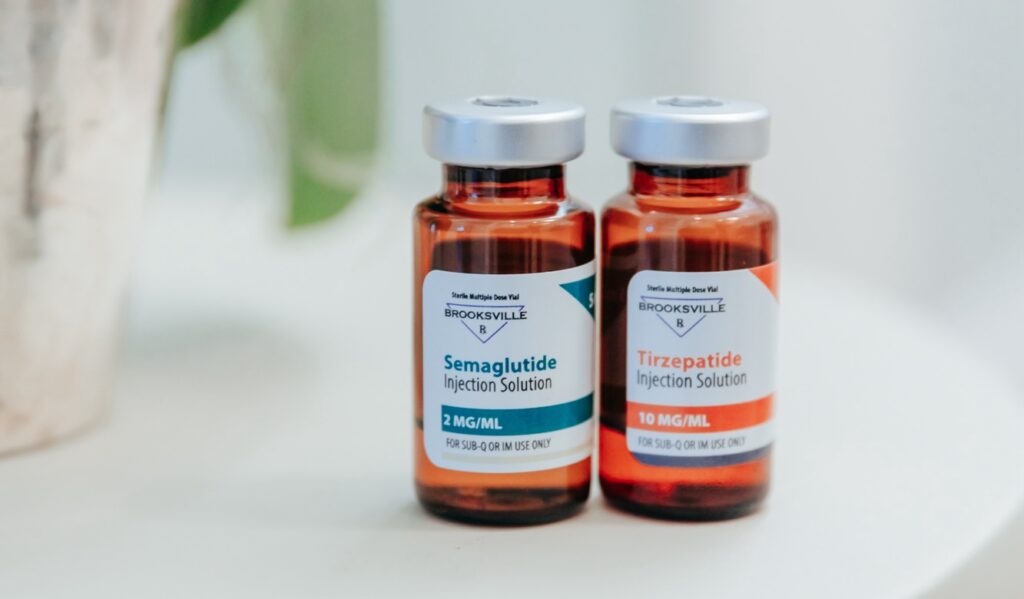
They can be an option for some patients who meet medical criteria for prescription weight management. GLP-1 medications can help regulate appetite and fullness, but they work best as part of a broader plan supporting nutrition, movement, muscle preservation, and sustainable habits. We’ll review your health history and goals before deciding whether medical weight loss makes sense for you.
Does menopause weight gain ever go away?
It doesn’t automatically disappear once menopause is over, but that doesn’t mean you’re stuck. Weight and body composition can respond to strength training, nutrition, sleep support, physical activity, and, when appropriate, medical treatment.
The goal isn’t to chase the body you had at 25. It’s to support strength, metabolic health, confidence, and a weight that feels sustainable for you now.
Let’s Build a Plan for the Body You Have Now
If midlife weight changes have left you frustrated, our team can help you understand what may be contributing and decide what’s worth changing.
For personalized support with menopause weight gain in Frisco, request an appointment with The Stoehr Center and let’s build a plan around your health, lifestyle, and goals.